Introduction to Water Reclaim Systems
The scarcity of fresh water is a pressing global issue, driving the need for innovative solutions in water management. One such innovation is the Water Reclaim System, which enables the efficient recycling of wastewater to make it suitable for reuse. As industries and municipalities seek to reduce their environmental footprint, understanding and implementing effective water reclamation systems is crucial for sustainable development.
What is a Water Reclaim System?
A water reclaim system refers to the processes and technologies used to treat and recycle wastewater, making it suitable for various applications. These systems utilize advanced treatment methodologies, including filtration, bioreactors, and chemical processes, to convert sewage, greywater, and stormwater into reusable water. The reclaimed water can then be deployed for irrigation, industrial uses, and even potable applications, depending on the treatment level achieved.
Importance of Wastewater Recycling
As populations grow and water demand increases, conventional freshwater resources are becoming increasingly strained. Wastewater recycling plays a vital role in mitigating water scarcity by extending the life of existing water supplies. It helps in:
- Reducing the withdrawal of freshwater from lakes and rivers.
- Lowering the energy and costs associated with water treatment and distribution.
- Decreasing the amount of wastewater discharged into the environment, leading to improved ecosystem health.
Benefits of Containerized Solutions
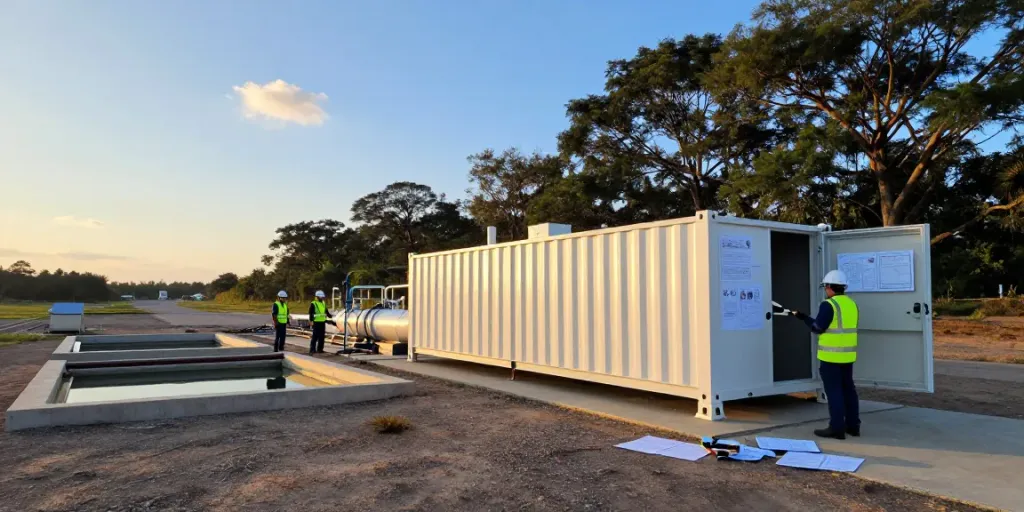
Containerized reclaimed water systems offer a host of advantages over traditional stationary systems. These benefits include:
- Compact Design: Containerized systems are pre-engineered and modular, allowing for easy transport and rapid deployment in various locations, including remote areas with limited infrastructure.
- Operational Flexibility: The systems can be quickly brought online or relocated, ensuring water supply remains consistent in dynamic operational contexts.
- Integrated Technologies: By utilizing advanced water treatment technologies such as Membrane Bioreactors (MBR), Ultrafiltration (UF), and Reverse Osmosis (RO), these systems can produce high-quality reclaimed water that meets diverse reuse standards.
Technological Innovations
Membrane Bioreactor (MBR) Technology Explained
MBR technology, a crucial component of many water reclaim systems, integrates biological treatment processes with membrane filtration. This combination effectively removes suspended solids and pathogens, providing superior effluent quality compared to conventional systems. MBR systems are particularly beneficial in areas with strict effluent discharge regulations, ensuring compliance while maximizing water recovery.
Ultrafiltration (UF) and Reverse Osmosis (RO) Integration
Ultrafiltration (UF) serves as a preliminary filtration step that removes macromolecules and suspended solids, while Reverse Osmosis (RO) serves as a secondary barrier to eliminate dissolved contaminants. The synergy of these technologies enhances the reliability of the reclaimed water quality, making it safe for various applications. Together, they ensure that even the most challenging water sources can be treated effectively.
Future Trends in Water Reclaim Technologies
Looking ahead, the landscape of water reclaim technology is evolving rapidly as innovation continues. Notable trends include:
- Internet of Things (IoT): Integration of IoT devices in water reclaim systems for real-time monitoring and analytics, optimizing performance and maintenance schedules.
- Advanced Treatment Methods: Emergence of new filtration and treatment options, such as biofiltration and advanced oxidation processes, to enhance reclaim efficiency.
- Decentralization: A shift towards decentralized water treatment systems, allowing for localized solutions that reduce the need for extensive infrastructure.
Applications and Use Cases
Municipal Water Reuse Applications
Urban areas are capitalizing on reclaimed water systems to address water scarcity. Municipalities are deploying these systems for irrigation of public parks, gardens, and golf courses, significantly reducing dependency on potable water for non-potable uses. Additionally, reclaimed water can be used in cooling systems for power plants or as a makeup water supply for industrial processes.
Industrial Wastewater Management
Industries heavily reliant on water, such as manufacturing, food processing, and energy, can greatly benefit from implementing water reclaim systems. By treating and reusing wastewater within their operations, businesses can reduce overall water consumption and operational costs while improving sustainability. Many companies have successfully integrated these systems to close the water loop in their industrial processes.
Decentralized Water Solutions for Remote Areas
Containerized reclaimed water systems are particularly advantageous in remote or decentralized locations where traditional water supply and sanitation infrastructure is lacking. These systems can be quickly installed to provide local communities with a reliable water source for irrigation, domestic use, and livestock. Their mobility and scalability offer unprecedented flexibility to meet varying demand levels.
Challenges and Solutions
Common Misconceptions about Water Reclamation
Misinformation often surrounds the concept of water reclamation, leading to misconceptions about its safety and effectiveness. It is essential to educate stakeholders on the rigorous treatment standards that reclaimed water must meet before it can be reused. Demonstrating the technological advances and the stringent regulations governing water quality can help build public confidence in these systems.
Regulatory Compliance and Standards
Compliance with local and federal regulations presents a significant challenge for water reclaim systems. Each region may have different standards regarding the quality of reclaimed water and its applications. Therefore, understanding the regulatory framework is crucial for developers and operators. Collaborating with regulatory agencies and investing in reliable treatment technologies can facilitate compliance and encourage more widespread adoption.
Overcoming Implementation Barriers
Implementing a water reclaim system requires significant initial investment and technical expertise. However, utilizing cost-effective technologies, leveraging incentives for sustainable practices, and providing comprehensive training for personnel can facilitate smoother implementation processes. Additionally, showcasing successful case studies can help persuade stakeholders of the long-term benefits of these systems.
Implementing a Water Reclaim Strategy
Step-by-Step Guide to Setup
The setup of a water reclaim strategy involves several critical steps:
- Assessment: Evaluate the specific water needs, sources, and quality requirements.
- Design: Develop a customized system design that incorporates appropriate technologies based on the assessment.
- Installation: Deploy the containerized system, ensuring it meets all regulatory and environmental standards.
- Monitoring: Implement a continuous monitoring system to ensure optimal operation and compliance with quality standards.
- Maintenance: Establish a routine maintenance schedule to preserve system efficacy and prolong its operational lifespan.
Measuring Success: Key Performance Indicators
Evaluating the success of a water reclaim system can be accomplished through several key performance indicators (KPIs), including:
- Volume of water reclaimed versus the volume of wastewater generated.
- Cost savings achieved through reduced water purchases.
- Compliance rates with water quality standards.
- User satisfaction and acceptance rates among the end-users.
Real-World Case Studies and Results
Multiple organizations have successfully implemented water reclaim systems, demonstrating their practical applications. For instance, a municipal water authority in Australia reduced its dependence on freshwater by 30% through the deployment of a containerized water reclaim system, which converted treated effluent into high-quality irrigation water for parks.
Similarly, an industrial facility in Germany reported a 25% decrease in operational costs after integrating a water reclaim system, effectively recycling water used in production processes.