Understanding Aerospace CNC Machining
CNC machining plays a pivotal role in the aerospace industry by enabling the precise manufacturing of high-tolerance parts that ensure safety and performance. As one of the leading aerospace CNC parts manufacturers, Honscn has been providing professional CNC machining services since 2003, focusing on the development of precision parts and on-demand production for custom aerospace prototypes and production parts. This article delves into various aspects of CNC machining in the aerospace sector, including its benefits, technologies involved, and how to select the right manufacturer.
What is CNC Machining in Aerospace?
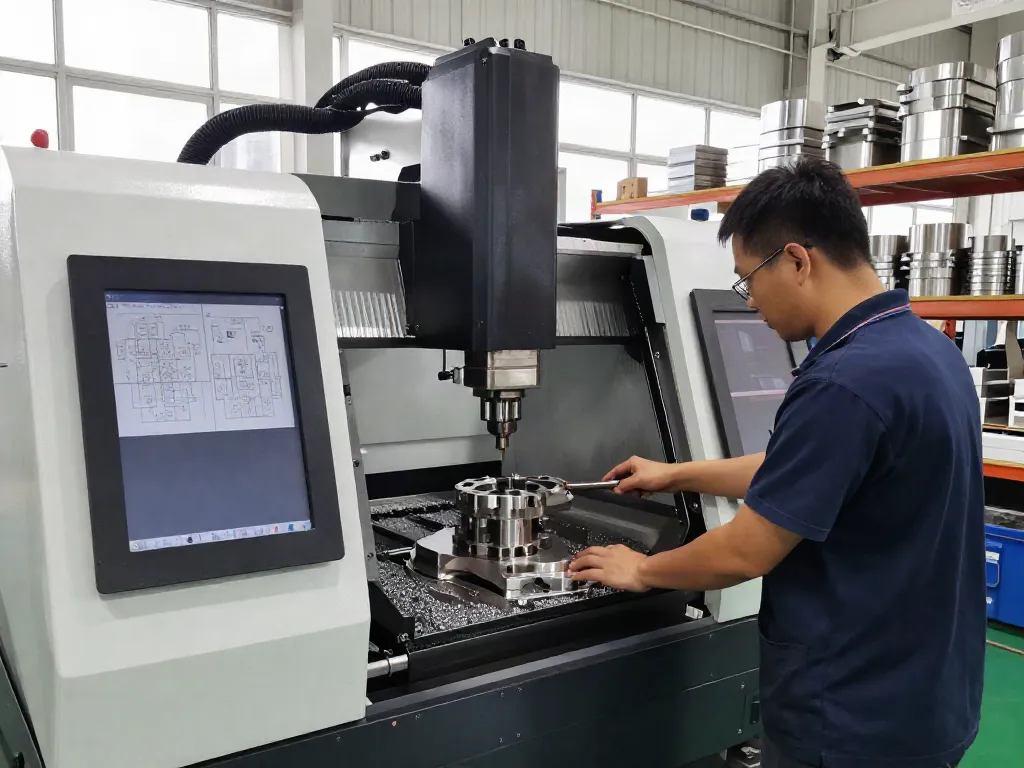
CNC machining, or Computer Numerical Control machining, refers to the automated control of machining tools by a computer. In aerospace, this technology allows for the manufacturing of complex parts with intricate designs, critical tolerances, and high precision. Typical components produced include engine housings, brackets, landing gear, and various interior elements of aircraft. The versatility of CNC machining makes it a desirable option for both rapid prototyping and mass production, ensuring that aerospace manufacturers can maintain their competitive edge.
Benefits of CNC Machining for Aerospace Parts
- Precision: CNC machining can achieve tolerances of ±0.001 inches, which is crucial in aerospace applications.
- Efficiency: Automated processes allow for rapid production timelines, significantly reducing lead times for prototypes and final parts.
- Material Versatility: A wide range of metals and plastics can be machined, allowing for innovative designs and solutions.
- Consistency: Automation ensures that each produced part remains consistent with the defined specifications, enhancing quality control.
Key Technologies in CNC Machining
Advanced technologies are integral to the CNC machining process in the aerospace sector. Key technologies include:
- 3D Printing: Used in conjunction with CNC machining to enhance prototyping efforts.
- Multi-axis Machining: Typically involving 5-axis machining, allows for complex geometries to be created in fewer setups.
- Software Integration: Advanced CAD/CAM software for design and machining planning ensures improved accuracy and efficiency.
Choosing the Right Manufacturer
Certainly, when searching for leading aerospace cnc parts manufacturers, it is critical to evaluate various factors to ensure quality and reliability. The selection process involves assessing manufacturer capabilities, certifications, and past performance within the aerospace sector.
Identifying Leading Aerospace CNC Parts Manufacturers
Identifying reputable manufacturers involves researching their market presence, client reviews, and industry certifications such as AS9100. Manufacturers who hold these certifications demonstrate their commitment to quality management systems specific to the aerospace sector.
Evaluating Manufacturer Capabilities and Certifications
It is crucial to ensure manufacturers possess state-of-the-art equipment and technologies, alongside a skilled workforce. Certifications like ISO 9001 and AS9100 should be verified as they indicate adherence to stringent quality standards. Furthermore, visit facilities if possible to assess their operational efficiencies firsthand.
Comparative Analysis of Leading Manufacturers
Conducting a comparative analysis among potential aerospace CNC manufacturers will help in making informed decisions. Key aspects to consider include:
- Technological capabilities and machinery used.
- Experience in handling aerospace components.
- Quality assurance processes and inspection techniques.
Common Materials Used in Aerospace CNC Machining
Overview of Metal Materials
When it comes to aerospace applications, a variety of metals are routinely utilized. The following are some of the most common metal materials used in CNC machining:
- Aluminum Alloys: Known for their lightweight and high strength-to-weight ratio.
- Titanium Alloys: Used for components requiring high corrosion resistance and strength.
- Stainless Steel: Offers excellent strength and resistance to oxidation.
Popular Plastic Materials in Aerospace Components
Alongside metals, various plastics are utilized in aerospace manufacturing:
- Polycarbonate (PC): High impact resistance and clarity.
- Acrylonitrile Butadiene Styrene (ABS): Excellent toughness and impact strength.
- Polyetheretherketone (PEEK): High thermal stability and chemical resistance.
Material Selection Criteria for Aerospace Applications
Selecting the appropriate material for aerospace components is critical. Considerations include:
- Weight vs. strength ratios.
- Resistance to environmental factors.
- Machinability and cost-effectiveness.
Quality Control in Aerospace Manufacturing
Importance of Quality Assurance Processes
Quality control is fundamental in aerospace manufacturing due to the high safety standards required. Manufacturers must employ rigorous quality assurance processes to meet both regulatory and client expectations.
Common Inspection Techniques and Tools
Various inspection techniques such as coordinate measuring machines (CMM) ensure parts meet exact specifications. Non-destructive testing (NDT) methods are also crucial for detecting defects without damaging components.
Continuous Improvement Strategies in Aerospace CNC Machining
Continuous improvement strategies involve regularly reviewing processes, soliciting feedback from clients, and investing in employee training. These efforts ensure the manufacturer remains competitive and can adapt to evolving industry standards.
Future Trends in Aerospace CNC Machining
Emerging Technologies in Aerospace Manufacturing
The aerospace sector is continuously evolving with the introduction of new technologies such as automation, artificial intelligence, and advanced robotics. These innovations will enhance production capabilities, reduce costs, and improve quality.
Industry Challenges and Solutions Ahead
The industry faces challenges such as supply chain disruptions and increasing material costs. Developing partnerships and investing in local supply chains can mitigate these challenges.
Predictions for Aerospace CNC Machining in 2026 and Beyond
Looking ahead, the reliance on composites and lightweight materials will increase. Additionally, advancements in additive manufacturing are expected to revolutionize prototyping and small-batch production in the aerospace industry.
What are the best practices for CNC machining in aerospace?
Implementing thorough quality control, using advanced technologies, and maintaining supplier relationships are essential best practices in aerospace CNC machining.
How do I choose a reliable aerospace CNC parts manufacturer?
Evaluate capabilities, certifications, and past project experience while considering client testimonials and facility visits.
What materials are most commonly used in aerospace CNC machining?
Aluminum, titanium, stainless steel, and various plastics form the core materials for aerospace applications.
What quality standards should aerospace manufacturers adhere to?
Manufacturers must comply with AS9100, ISO 9001, and other relevant aerospace industry standards.
What advancements are expected in aerospace CNC machining by 2026?
We can expect increased automation, enhanced use of smart technologies, and a greater emphasis on sustainability in manufacturing processes.