Introduction to Engineered Composites
Engineered Composites has established itself as a leading figure in the UK’s GRP (Glass Reinforced Plastic) manufacturing sector. With over 40 years of experience, this pioneering company has developed a reputation for delivering high-quality, durable products across various industries, including construction, marine, and telecommunications. The demand for GRP materials has surged in recent years due to their versatility and superior performance compared to traditional materials like steel and aluminum. In this article, we will explore the comprehensive range of GRP products offered by Engineered Composites, discuss the advantages of using these materials, and delve into the quality assurance processes that set the company apart. For more insights, visit Engineered Composites.
What is Engineered Composites?
Engineered Composites is an independent, privately owned manufacturer and supplier of GRP products in the UK. The company specializes in the production of tailored solutions, ensuring that each product meets the specific needs of various industries. By utilizing advanced manufacturing techniques and rigorous quality control processes, Engineered Composites maintains high standards in product performance and safety. This commitment has positioned them as a trusted partner for businesses seeking reliable composite materials for their projects.
History and Evolution in the Industry
Founded over four decades ago, Engineered Composites has witnessed the evolution of GRP technology. Initially, the company focused on basic GRP products; however, as market demands shifted, they expanded their range to include bespoke solutions tailored to specific applications. This evolution reflects not only the company's adaptability but also its dedication to innovation in composite manufacturing. Over the years, Engineered Composites has incorporated leading-edge technologies and materials, ensuring their position at the forefront of the GRP industry.
Importance of GRP in Modern Manufacturing
The use of GRP materials in modern manufacturing is crucial due to their lightweight nature, exceptional strength, and resistance to corrosion and chemical degradation. Industries ranging from automotive to marine rely on GRP for components that endure harsh environments without compromising safety or performance. As sustainability becomes a priority, the long lifespan and low maintenance requirements of GRP further bolster its appeal, allowing industries to reduce their environmental footprint.
Types of GRP Products Offered
Diverse Range of GRP Solutions
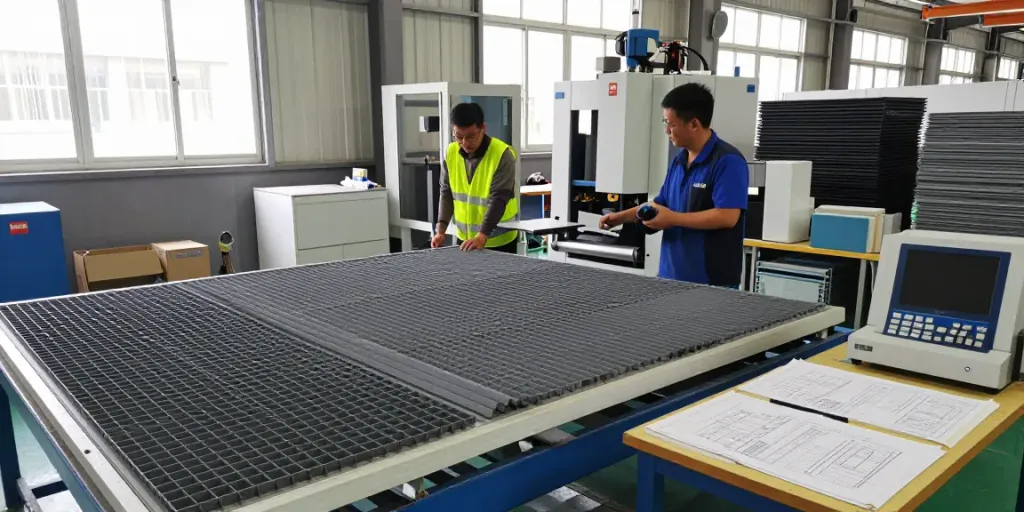
Engineered Composites provides a comprehensive suite of GRP products designed to meet the diverse needs of various sectors. Their offerings include GRP gratings, handrails, profiles, rebar, and fencing systems, each engineered for specific applications. The versatility of these products allows for their use in environments where durability and safety are paramount.
Applications of GRP Materials in Different Sectors
GRP materials are employed in numerous industries, such as:
- Construction: GRP products are used for structural components, stairways, and platforms, providing lightweight and robust alternatives to traditional materials.
- Marine: The corrosion-resistant properties of GRP make it ideal for use in shipbuilding and marine infrastructure.
- Utilities: GRP is widely used in water treatment plants and electrical applications due to its non-conductive nature.
- Telecommunications: The lightweight and strong features of GRP materials support the demanding standards of telecommunication infrastructure.
Custom Fabrication Services
In addition to standardized products, Engineered Composites offers custom fabrication services that enable clients to obtain products tailored to their specific requirements. This flexibility not only enhances project efficiency but also allows for greater innovation and creativity in design and application.
Benefits of Choosing GRP Over Traditional Materials
Weight, Strength, and Durability Comparisons
One of the primary advantages of GRP over materials such as steel and aluminum is its lightweight composition. GRP is often up to 70% lighter than steel, which significantly reduces transportation costs and simplifies installation. This weight advantage does not compromise strength; indeed, GRP offers superior tensile strength and durability, making it an ideal choice for load-bearing applications.
Cost-Effectiveness and Maintenance Aspects
GRP products require minimal maintenance over their lifespan, typically exceeding 50 years. Unlike steel, which necessitates regular painting and corrosion prevention measures, GRP's inherent properties eliminate such costs and labor. This not only reduces overall lifecycle costs but also allows project managers to allocate resources more effectively.
Environmental Sustainability of GRP
As concerns regarding environmental sustainability grow, GRP emerges as an eco-friendly option. The manufacturing process utilizes significantly less energy compared to traditional materials like steel, and many GRP products can be designed for recyclability at the end of their life cycle. Engineered Composites is committed to sustainable practices, ensuring their products not only meet performance standards but also contribute positively to environmental goals.
Quality Assurance in GRP Production
ISO Certifications and Compliance Standards
Engineered Composites adheres to stringent ISO 9001 quality management standards, ensuring that every product meets specific performance and safety criteria. The incorporation of ISO certifications into their manufacturing process demonstrates a commitment to excellence and customer satisfaction. This level of compliance is critical for industries that rely on robust, reliable GRP solutions.
Testing Procedures and Quality Control Measures
The company has implemented rigorous testing procedures to evaluate the strength, durability, and fire resistance of their GRP products. These tests ensure that products not only comply with BS EN 13706 performance standards but also exceed customer expectations regarding quality and safety. Engineered Composites regularly reviews and updates their quality control measures, ensuring they remain competitive in a rapidly evolving market.
Customer Feedback and Ratings
Engineered Composites takes pride in its 5-star customer ratings, reflecting the high level of satisfaction clients experience with their products and services. The company actively solicits feedback to improve their offerings continually, demonstrating an unwavering commitment to customer service and product excellence.
Future Trends and Innovations in GRP Materials
Emerging Technologies and Manufacturing Techniques
As technologies advance, the manufacturing of GRP materials becomes increasingly sophisticated. Innovations such as automated composite layup and advanced resin systems are being integrated into the production process, enhancing product performance and reducing costs. Engineered Composites is at the forefront of these developments, consistently seeking ways to leverage emerging technologies for better product outcomes.
Market Predictions for 2026 and Beyond
The GRP market is projected to grow significantly as industries demand more durable, lightweight, and cost-effective materials. Analysts predict that advancements in composite technology will lead to broader applications across various sectors, including infrastructure and renewable energy. Engineered Composites remains well-positioned to take advantage of this growth, continuously innovating to meet market demands.
Strategies for Adapting to Industry Changes
To remain competitive, Engineered Composites implements proactive strategies, including investing in research and development and collaborating with industry partners. By staying abreast of market trends and technological advancements, the company ensures it can respond swiftly to changes in customer needs and industry standards.
What maintenance do GRP products require?
Maintenance for GRP products is minimal, primarily consisting of regular cleaning to remove debris and ensure optimal performance. Unlike traditional materials that may require periodic inspections for corrosion or integrity checks, GRP systems are designed to withstand environmental factors without degrading. This low maintenance requirement significantly reduces long-term operational costs and resource allocation.
Are GRP materials non-conductive and corrosion resistant?
Indeed, GRP materials are both non-conductive and corrosion-resistant, making them suitable for various applications where safety and durability are paramount. Their resistance to chemicals and environmental factors enhances their performance in electrical and marine settings, providing peace of mind for operators in critical infrastructure environments.
Are GRP products suitable for outdoor use?
Absolutely, GRP products are designed to excel in outdoor environments. They are inherently UV-stabilized and resistant to moisture, making them ideal for applications in marine, rail, and utility sectors. Their durability ensures they maintain both structural integrity and aesthetic appeal even in harsh weather conditions, providing a reliable solution for outdoor infrastructures.