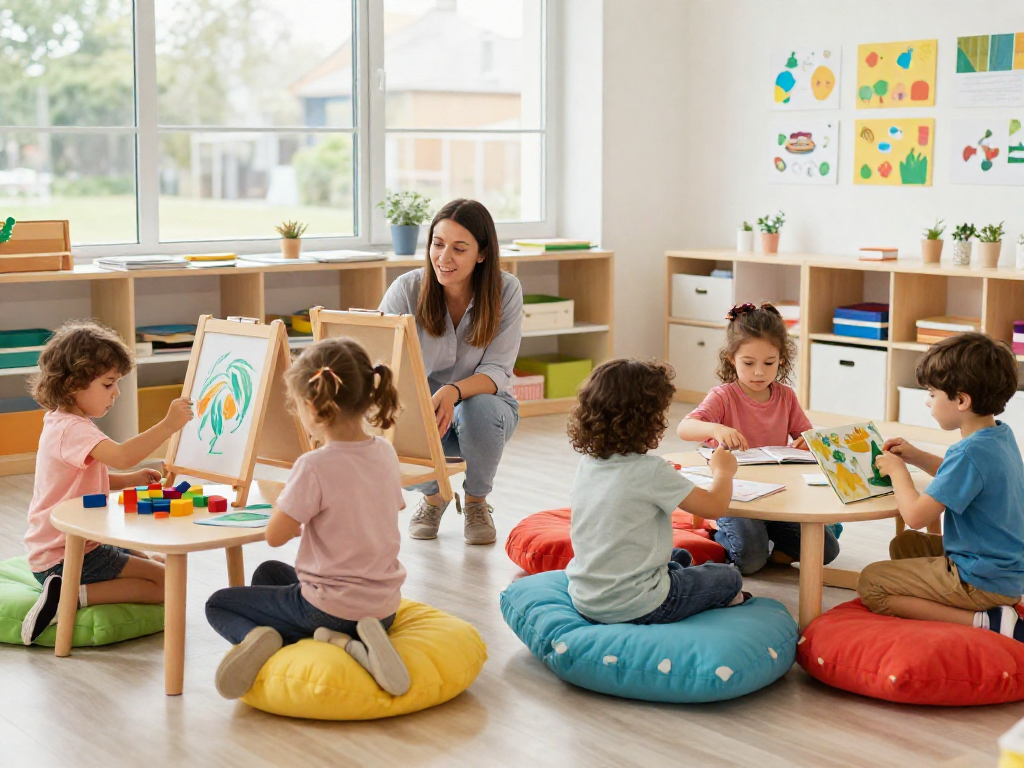
Understanding the Kindergarten Singapore Environment
In Singapore, the landscape of early education has evolved significantly, fostering a rich and diverse learning environment designed to meet the developmental needs of young children. As a parent, understanding what defines kindergarten education in Singapore is crucial for making informed decisions regarding your child's early learning journey. When exploring options, Kindergarten Singapore provides comprehensive insights into various programs, including Pegasus International Preschool, which emphasizes inquiry-based learning and holistic development.
What Defines Kindergarten Education in Singapore?
Kindergarten education in Singapore typically caters to children aged between 3 to 6 years, forming the foundation of their lifelong learning journey. The Ministry of Education outlines standards for kindergartens, which prioritize not just academic readiness but also social, emotional, and physical development. This is where kindergartens like Pegasus International Preschool stand out, offering children a structured yet flexible environment conducive to exploring their interests and fostering creativity.
Importance of Early Childhood Development
Research underscores the significance of early childhood development, indicating that children's formative years are critical for shaping their overall growth. High-quality early education leads to better academic and social outcomes in later years. For instance, at Pegasus, educators focus on nurturing curiosity by allowing children to engage in hands-on activities that inspire exploration and discovery, which enhances cognitive and emotional development.
Overview of Key Educational Approaches
Different educational philosophies guide kindergartens in Singapore, with many adopting a holistic approach. Programs may draw from the Reggio Emilia philosophy, which emphasizes child-led inquiry, or the Montessori method, known for fostering independence through carefully prepared environments. These frameworks support diverse learning experiences, preparing children to become adaptable, critical thinkers.
Choosing the Right Kindergarten for Your Child
Selecting the right kindergarten is a pivotal decision for parents. Factors such as the teaching philosophy, curriculum, and environment can significantly impact a child's early experiences and learning outcomes. Consideration should also be given to how inclusive and supportive the kindergarten is for both children and parents alike.
Factors to Consider When Selecting a Kindergarten
- Curriculum: Look for a balanced curriculum that integrates play with learning and fosters holistic development.
- Teacher Qualifications: Ensure that educators are experienced and qualified in early childhood education to provide the best learning experiences.
- Environment: Assess whether the kindergarten has safe, engaging, and resource-rich environments that encourage exploration.
The Role of Inquiry-Based Learning
Inquiry-based learning is fundamental to many modern kindergarten programs, including Pegasus International Preschool. This educational approach encourages children to ask questions, explore their surroundings, and engage in collaborative projects. By fostering a sense of curiosity, inquiry-based learning helps children develop critical thinking and effective communication skills, which are essential for their future academic endeavors.
How to Evaluate Kindergarten Programs Effectively
Evaluating kindergarten programs requires careful assessment of their philosophy and methods. Attend open houses, inquire about curriculum specifics, and observe classroom interactions if possible. Understanding how teachers engage with students and facilitate learning can provide invaluable insight into the program's quality and suitability for your child.
Curriculum Components in Kindergarten Singapore
The curriculum in Singapore's kindergartens is designed to be holistic and well-rounded, addressing various domains of development. From early literacy and numeracy to social skills and emotional intelligence, these components ensure that children are not only prepared for primary education but also equipped with essential life skills.
Holistic Approaches to Early Learning
At Pegasus, the commitment to a holistic approach is evident in their curriculum, which integrates physical, social, emotional, and cognitive development. Educational activities are designed to nurture resilience, confidence, and a love for learning. For example, activities may involve storytelling, art, music, and outdoor explorations, all contributing to a well-rounded educational experience.
Incorporating Diverse Learning Experiences
Diversity is a staple in Singapore’s education system, where kindergartens like Pegasus offer programs in multiple languages. This exposure not only prepares children for a globalized world but also enriches their understanding of different cultures. Engaging with peers from various backgrounds fosters empathy and social skills, crucial for children in an increasingly interconnected environment.
Creative and Language Development Techniques
Creativity is a vital facet of early childhood education, and kindergartens incorporate various methods to enhance children's creative expression. Through arts and crafts, music, and interactive storytelling, children are encouraged to express themselves and explore their imaginative capacities. Moreover, language development is emphasized through playful activities that promote vocabulary acquisition and communication skills.
Parent Involvement in Kindergarten Education
Active parental involvement is a cornerstone of effective kindergarten education in Singapore. Educators recognize that collaboration between home and school enhances children's learning experiences, and many programs encourage parents to engage with their child's educational journey.
How Parents Can Support Learning at Home
Parents play a crucial role in reinforcing learning at home. Simple activities, such as reading together, engaging in meaningful conversations, and encouraging play-based learning, can significantly impact a child’s development. By integrating learning into daily routines, parents create a supportive environment that nurtures curiosity and inquiry.
Building a Strong Home-School Connection
Establishing a strong connection between home and school is essential. Regular communication with teachers, attending school events, and volunteering can enhance relationships and foster a sense of community. This connection not only benefits the child but also supports parents in understanding and reinforcing educational concepts at home.
Benefits of Active Parental Engagement
Active participation in a child's education leads to improved academic outcomes and social adjustment. Children whose parents are engaged tend to have better attendance, higher motivation, and enhanced emotional well-being. Such involvement fosters a positive attitude towards learning that extends beyond kindergarten.
Future Trends in Kindergarten Education in Singapore
As we approach 2026, the landscape of kindergarten education in Singapore is poised for transformation. With advancements in technology and evolving pedagogical methods, it is essential for educators to adapt and innovate to meet the changing needs of children.
Technological Innovations Shaping Early Education
Emerging technologies are beginning to play a more significant role in early education. Interactive learning tools, educational apps, and online resources provide new avenues for engagement and learning. Kindergartens must balance these technological integrations with traditional methods to ensure a comprehensive educational experience.
Emerging Pedagogical Methods
New educational frameworks are continuously developed to improve teaching strategies. Collaborative learning, project-based learning, and personalized education approaches are gaining traction, providing children with more tailored learning experiences that cater to their individual needs.
Preparing for the Future: Skills Children Need
As the demands of the future workforce evolve, kindergartens are focusing on equipping children with essential skills such as critical thinking, emotional intelligence, and adaptability. Programs must prepare children not just for academic success but for life in an ever-changing world.
What are the benefits of inquiry-based learning in kindergarten?
Inquiry-based learning fosters a love for exploration and discovery, allowing children to develop critical thinking and problem-solving skills. By engaging in hands-on experiences, children gain a deeper understanding of concepts, which supports long-term retention and application of knowledge.
How can parents effectively choose a kindergarten in Singapore?
Parents should thoroughly research the kindergarten landscape, visiting potential schools, talking to educators, and considering curriculum fit. Key factors include educational philosophy, teacher qualifications, and the overall environment provided for learning and play.
What should I look for in a quality preschool environment?
A quality preschool environment should be safe, stimulating, and inclusive. Look for versatile spaces that promote exploration, creative thinking, and social interactions among children. Additionally, a qualified, caring staff is essential for guiding children's learning and development.
How does Singapore's kindergarten approach support child development?
Singapore's kindergarten approach focuses on holistic development, addressing cognitive, social, emotional, and physical needs. This balanced approach prepares children for future learning and life challenges by fostering essential skills in various domains.
What are the main differences between public and international kindergartens?
Public kindergartens in Singapore are government-funded and typically adhere to the national curriculum, while international kindergartens often provide diverse curricula, including those based on foreign educational philosophies. This may include bilingual or trilingual instruction and a greater focus on cultural integration.