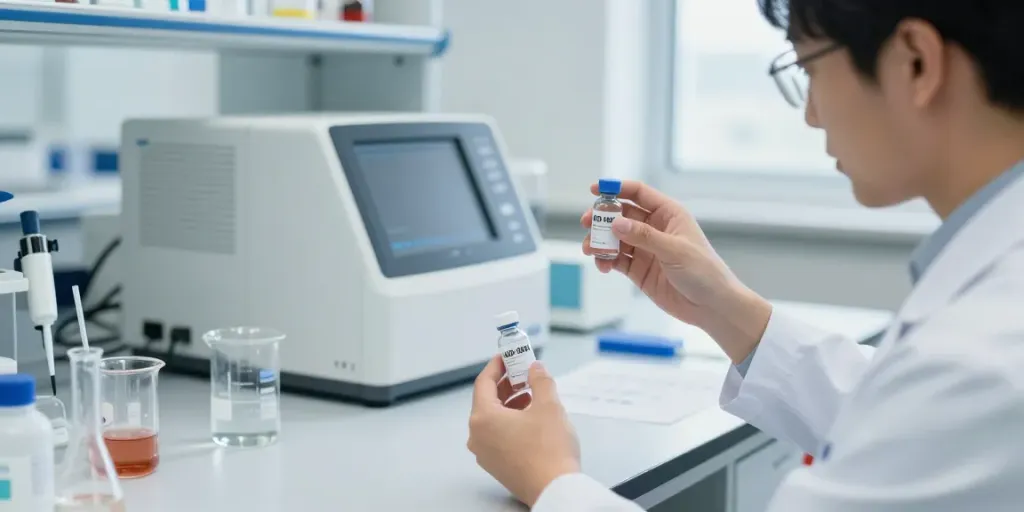
The Fundamentals of AOD-9604 Research Peptides
AOD-9604 is gaining recognition in the realm of research peptides, particularly for its applications in metabolic signaling and fat metabolism studies. As an advanced synthetic peptide that mimics a part of the human growth hormone (HGH), AOD-9604 has become a focal point for researchers exploring therapeutic avenues in weight management. In this article, we will delve into the essence of AOD-9604, examine its research applications, and highlight the critical legal considerations when conducting studies involving this compound. For those looking to acquire this peptide, understanding the landscape is essential. When exploring options, AOD-9604 for sale is a key consideration.
What is AOD-9604?
AOD-9604, known scientifically as a modified fragment of human growth hormone, is specifically tailored to enhance lipolysis and reduce lipogenesis — the processes of fat breakdown and fat formation, respectively. Originally developed for potential obesity treatment, this peptide's unique mechanism of action not only stimulates fat metabolism but also does so without affecting blood glucose levels, making it a preferred compound in laboratory research focused on metabolic processes.
Understanding Research Applications
In laboratory environments, AOD-9604 serves multiple research purposes. It is frequently utilized to investigate how fat loss can be achieved through various methodologies, particularly in the context of obesity and metabolic disorders. Researchers are exploring its effects on adipocyte function, as well as its potential applications in enhancing physical performance and body composition management. Moreover, studies have indicated a capacity for AOD-9604 to upregulate lipid oxidation, which could provide insights into future weight management therapies.
Legal Considerations for Peptide Research
Understanding the legal landscape surrounding peptides is essential for researchers. In the U.S., peptides are classified as research chemicals and are not approved for human consumption or therapeutic use outside of controlled settings. Consequently, compliance with regulatory standards and ethical research practices is non-negotiable. Researchers must ensure that all studies involving AOD-9604 strictly adhere to guidelines set forth by the FDA and other governing bodies. Transparency and accountability are vital to maintaining integrity in research, thereby paving the way for advancements in therapeutic applications.
Quality Assurance in AOD-9604 Manufacturing
Quality assurance is of paramount importance in peptide research, and AOD-9604 is no exception. The reliability of research findings largely hinges on the quality of the compounds utilized in studies. With that in mind, AOD-9604 must undergo rigorous independent laboratory testing during its manufacturing process to confirm its identity, purity, and concentration. Such testing is commonly performed with High-Performance Liquid Chromatography (HPLC), which serves as the gold standard in validating peptide quality.
Independent Laboratory Testing Explained
Independent laboratory testing is a critical component of the AOD-9604 manufacturing process. Every batch of AOD-9604 should be subjected to detailed HPLC analyses, which verify the peptide’s structural integrity and concentration. Additionally, endotoxin screening and sterility checks are conducted to ensure that the peptide meets the strictest quality control standards for research purposes. This rigorous testing guarantees that researchers receive a product they can trust, laying a solid foundation for their experiments.
The Importance of COA Documentation
Certificate of Analysis (COA) documentation is indispensable in the research community, providing verifiable proof that a compound like AOD-9604 has been thoroughly tested. This documentation should include comprehensive results from all relevant testing, including purity levels, identity confirmation, and batch-specific details. With transparent COA documentation, researchers can be assured that their results are based on reliable data, minimizing the risks of inconsistencies that could compromise experimental integrity.
Batch Verification and Transparency
Batch verification is essential to ensure quality consistency across all AOD-9604 products. Each batch must be documented, allowing researchers to access specific details about the testing and production of their specific peptide orders. This level of transparency enhances trust between suppliers and researchers, as it signifies a commitment to quality and reliability. With precise batch verification, researchers can correlate their findings directly to the specific properties of the compound being studied.
Acquiring AOD-9604 for Research Use
When it comes to acquiring AOD-9604 for research purposes, it's crucial to establish a reliable source. Numerous suppliers offer AOD-9604 peptides, but not all maintain the same quality standards or transparency in their operations. Researchers should prioritize this when seeking to purchase AOD-9604 for their studies.
Where to Find AOD-9604 for Sale
Finding AOD-9604 for sale can be straightforward if researchers know where to look. Online suppliers often provide various options for purchasing research-grade peptides, such as AOD-9604. However, researchers should verify the supplier's credentials, reading through reviews, checking for independent testing claims, and confirming that they offer clear COA documentation. Trusted suppliers will make batch-specific test results readily available, ensuring that researchers can conduct their work with confidence.
Assessing Supplier Credibility
Choosing a reputable supplier is vital for obtaining high-quality AOD-9604. Researchers are encouraged to evaluate suppliers based on several criteria, including:
- Third-party testing: Ensure that the supplier conducts independent testing on every batch.
- Transparency: Look for suppliers that provide easy access to COAs.
- Reputation: Research the supplier's history and customer feedback.
- Compliance: Confirm that the supplier adheres to industry regulations regarding research chemicals.
Shipping and Delivery Considerations
Fast and reliable shipping is critical in research environments where timing can influence experimental outcomes. Suppliers that offer same-day shipping can significantly benefit researchers who require prompt access to their materials. Additionally, secure packaging and tracking options can provide peace of mind, ensuring that orders arrive intact and on time, enabling researchers to keep their projects on schedule.
Maximizing Research Outcomes with AOD-9604
Incorporating AOD-9604 into research requires careful planning and execution to maximize outcomes. Researchers must understand optimal usage guidelines and potential pitfalls that could affect their studies.
Dosage Guidelines and Best Practices
While specific dosage guidelines can vary based on the objectives of the study, researchers often begin with a standard dosing protocol, adjusting as necessary based on their findings. To optimize results:
- Start with lower doses to assess tolerance and effects.
- Monitor outcomes closely and adjust accordingly.
- Maintain consistency in dosing schedules to avoid variability in results.
Common Mistakes to Avoid in Research
Many challenges can arise during research involving AOD-9604, and avoiding common pitfalls is essential for successful outcomes. Researchers should be wary of:
- Inconsistent dosing: Ensure that dosages are measured accurately and delivered consistently.
- Ignoring side effects: Monitor for any unexpected reactions in experiments.
- Neglecting data documentation: Keep meticulous records of all findings to support conclusions.
Future Trends in AOD-9604 Applications
The landscape of peptide research is constantly evolving, and AOD-9604 is positioned to play a significant role in future studies. Ongoing research is exploring its potential applications in metabolic disorders and weight management therapies. As scientific understanding deepens, we may see enhanced formulations that leverage AOD-9604’s properties for more targeted outcomes in clinical settings. Continuous advancements in biotechnology will likely yield new insights into not just AOD-9604, but peptides in general, potentially expanding their utility in modern medicine.
Frequently Asked Questions
How does AOD-9604 function in research?
AOD-9604 functions by mimicking the effects of growth hormones, particularly in promoting fat metabolism. It is primarily used in research to study metabolic pathways and potential therapeutic applications for obesity.
What are the risks associated with using AOD-9604?
As with any peptide, the primary risks stem from inconsistency in dosage and purity. Proper evaluation of suppliers and adherence to research protocols minimizes these risks. Researchers must also be aware of the legal restrictions on peptide usage and ensure compliance with all regulations.
How to interpret third-party lab results?
Interpreting third-party lab results involves understanding the key metrics typically reported in COAs, such as purity percentages, concentration levels, and the methods used for testing. These metrics should align with the expected standards for research-grade materials.
What should I look for in a reputable supplier?
Key factors include transparency in testing, availability of COAs, positive user reviews, and adherence to industry regulations. A reputable supplier should provide easy access to information about their products and testing results.
Are there alternatives to AOD-9604 on the market?
Yes, there are several alternative peptides that researchers might consider depending on their specific research needs. However, the unique properties of AOD-9604 make it particularly valuable for studies related to fat metabolism and weight management.