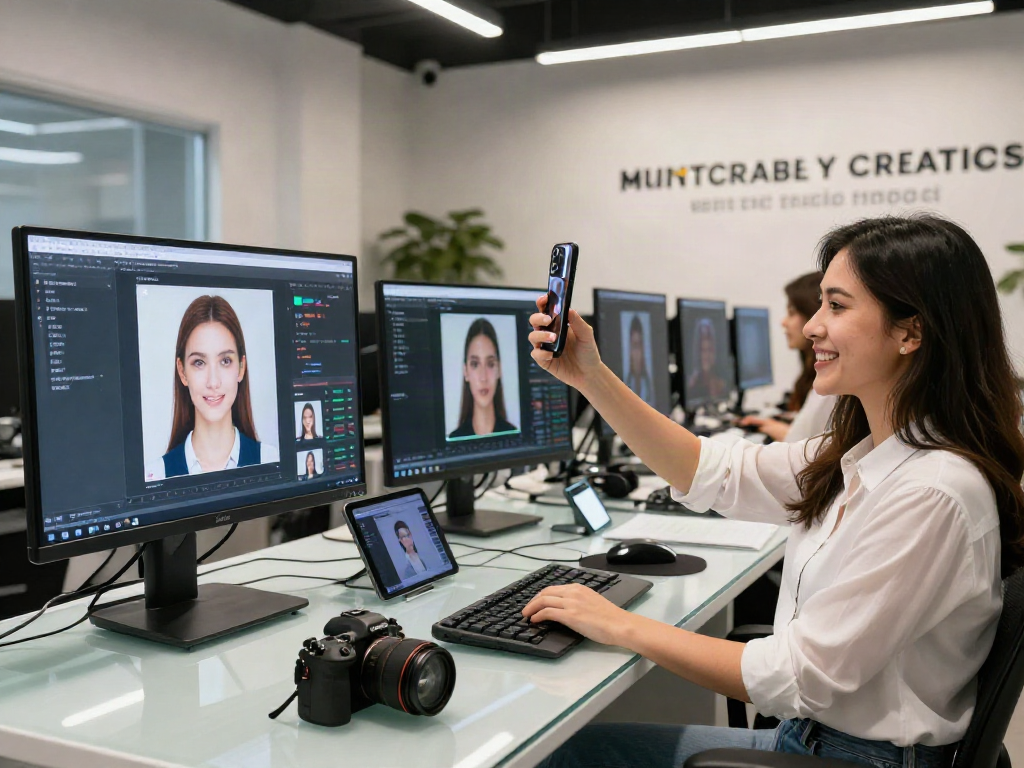
Understanding the Attractive Test: What It Is and How It Works
The quest to understand beauty and attractiveness is as old as humanity itself. Today, technology brings us closer to quantifying these abstract notions with tools like the attractive test. This innovative digital tool employs artificial intelligence algorithms to analyze facial features and provide an assessment of one's attractiveness. With its roots in psychology and computer science, the concept of attractiveness testing has evolved, embracing the digital age to offer users insight into their physical presentation. When exploring options, the attractive test provides comprehensive insights into this fascinating arena.
What is an Attractive Test?
An attractive test is an online tool designed to assess the physical attractiveness of a person's face based on various parameters. These tests typically utilize AI algorithms that analyze images uploaded by users, measuring features such as facial symmetry, the golden ratio, and other markers deemed to influence attractiveness. While some tests may yield results in simple numerical scores, more advanced tools delve deeper, offering insights into specific features and suggesting potential areas for enhancement.
How Do Online Attractive Tests Function?
Online attractive tests operate on a foundation of machine learning and facial recognition technologies. When a user uploads a photo, the software examines facial landmarks—specific points on the face that signify symmetry and proportion. Using this data, algorithms generate a score or a comprehensive analysis of the user’s features. Common aspects analyzed include:
- Facial symmetry: The degree to which one side of the face mirrors the other.
- Golden ratio: A mathematical concept often used in art and architecture, which can be applied to human proportions.
- Canthal tilt: The angle of the eyes, which can significantly influence perceived attractiveness.
- Skin quality: Including smoothness, blemishes, and other dermatological parameters.
Benefits of Taking an Attractive Test
Engaging with an attractive test can yield multiple benefits, including:
- Self-awareness: Understanding how you are perceived can help boost self-esteem or guide personal improvements.
- Feedback for enhancement: Many tests provide insights into what aspects could be refined or enhanced, offering a pathway for personal growth.
- Engagement and entertainment: For many, these tests are a fun and engaging way to interact with technology and gain insights about themselves.
- Social insights: Depending on the platform, users can compare their results with friends or societal standards, further enriching the experience.
The Accuracy of Attractive Tests: What You Need to Know
While attractive tests may offer intriguing insights, it's crucial to consider their accuracy. The interpretation of beauty is multifaceted, influenced by cultural, societal, and personal factors. Thus, understanding the science behind these tests can help users navigate their results more effectively.
How AI Algorithms Analyze Your Features
AI algorithms employed in attractive tests analyze facial features by using pre-trained models that recognize patterns associated with attractiveness. These models have been developed using large datasets that incorporate a wide range of facial structures and ethnicities, thus aiming for inclusivity in their analysis. However, even with advanced technology, results can still be subjective. The algorithms do not take into account factors such as personality, style, or context, which can heavily influence attractiveness.
Factors Influencing Test Results
Numerous factors can impact the accuracy and outcomes of attractive tests, including:
- Image quality: The resolution and clarity of the uploaded photo can affect the algorithm's ability to analyze features accurately.
- Lighting: Poor lighting can obscure details, leading to misleading assessments.
- Facial expressions: A smiling face may be rated differently than a neutral expression, indicating that momentary factors can skew results.
- Personal biases: Users may project their standards of beauty onto the results, influencing their perception of feedback.
Common Misconceptions About Accurate Testing
One of the main misconceptions surrounding attractive tests is that they provide an absolute measure of beauty. In reality, these tests are tools that offer insights based on certain criteria, not definitive judgments. Moreover, there is often an over-reliance on numerical scores, which can reduce beauty to a simple statistic rather than recognizing its complexity. Understanding this limitation is crucial for users to derive meaningful insights from their results.
Cost Factors of Attractive Tests: Exploring Pricing Models
When delving into the world of attractiveness assessments, users often discover a mix of free and paid options. Each model comes with its own set of benefits and limitations, making it essential for individuals to choose wisely based on their needs.
Free vs. Paid Attractive Tests: What’s the Difference?
Free attractive tests typically offer basic assessment features, making them easily accessible to a broader audience. However, these tests may limit the depth of analysis and the type of feedback provided. In contrast, paid tests often have a more sophisticated framework, delivering more detailed assessments and personalized recommendations. Users should weigh their budget against the potential insights offered when choosing between these two options.
Subscription Services: Are They Worth It?
Some platforms offer subscription services that provide ongoing assessments or enhanced features. For regular users, these subscriptions can offer significant value, particularly if they include access to a community or additional resources for personal development. However, it's important to assess whether the frequency of use justifies the cost involved.
Hidden Costs Associated with Attractiveness Assessments
Beyond the initial costs, users should also be aware of potential hidden fees. Upselling of personalized reports, additional tools, or premium features can sometimes add up, thereby reducing the overall value of the test. Transparency regarding costs is essential for users to make informed decisions.
Maximizing Your Experience: Tips for Getting the Most Out of an Attractive Test
To truly benefit from an attractive test, users should follow certain best practices that can enhance their experience and understanding of the feedback provided.
Preparing for Your Test: Best Practices
Preparing adequately before taking an attractive test can greatly impact the results. Here are some tips:
- Ensure good lighting: Natural light is often the best for clarity.
- Choose a neutral expression for an unbiased analysis.
- Use a high-resolution image for more accurate results.
Interpreting Your Results Effectively
Understanding your results requires an open mind. Instead of viewing the findings as a definitive measure of worth, users should consider them as starting points for self-improvement or exploration of beauty standards. Reflecting on the feedback can help inform personal choices regarding style and grooming.
Using Feedback for Personal Improvement
Feedback from attractive tests can be invaluable for personal growth. Whether it's enhancing skincare routines or experimenting with new styles, using insights constructively can lead to increased confidence and satisfaction in one's appearance.
The Future of Attractiveness Testing: Trends to Watch in 2026
The landscape of attractiveness testing is constantly evolving, with exciting advancements on the horizon. As technology continues to develop, so too will the methods used to measure and interpret beauty.
Emerging Technologies in Beauty Assessment
In the near future, we can expect breakthroughs in AI algorithms that will enhance the accuracy of attractiveness tests. Technologies such as augmented reality may allow users to visualize potential changes in real-time, providing a more immersive experience.
Shifts in Consumer Attitudes Toward Attractiveness Tests
Recent trends indicate a growing acceptance of attractiveness tests as tools for self-discovery rather than definitive judgments. As these tools become more mainstream, users are likely to adopt a more holistic view of beauty that incorporates both inner and outer qualities.
What to Expect from AI and Machine Learning Innovations
AI and machine learning will continue to refine their understanding of aesthetics, drawing from larger datasets and increasingly sophisticated modeling techniques. This evolution promises to foster more inclusive and representative standards of beauty that reflect the diverse nature of human appearance.
What is the scientific basis for attractive tests?
Attractive tests are grounded in various scientific disciplines, including psychology, anthropology, and mathematics. They tap into established theories of beauty, such as the golden ratio, and investigate how certain features influence perceptions of attractiveness across different cultures.
Are attractive tests reliable for self-improvement?
While attractive tests can provide valuable feedback, they should be viewed as one of many tools for self-improvement. Users should combine the insights gained from these tests with personal experiences and preferences to create a balanced approach to enhancing their attractiveness.
How has technology impacted the accuracy of these tests?
Technological advancements have significantly improved the accuracy of attractive tests. New machine learning models analyze a broader spectrum of facial features and conditions, while ongoing research into facial recognition continues to refine how these features are assessed.
What should I consider before taking an attractive test?
Before engaging with an attractive test, consider the intended outcome of taking the test, your emotional readiness to receive feedback, and the methodology behind the test itself. Understand that results are interpretative and should not define your sense of self-worth.
How do cultural factors influence attractiveness assessments?
Cultural perceptions of beauty vary widely, affecting how attractiveness is assessed globally. Factors such as ethnicity, societal values, and evolving trends all play pivotal roles in shaping standards of beauty, which these tests attempt to encapsulate.