Understanding Age Estimation Technology
The advancement of technology has ushered in a new era where artificial intelligence (AI) can analyze facial features to estimate a person’s age. This has sparked curiosity and excitement, especially among those asking themselves, "how old do I look?". In this article, we will delve into the mechanisms behind age estimation, its accuracy, and the science that fuels this fascinating technology.
What is AI Age Estimation?
AI age estimation refers to the use of algorithms and machine learning models designed to assess the perceived age of an individual based on facial images. By analyzing various facial attributes such as wrinkles, skin tone, and facial structure, these tools can make predictions about a person’s biological age. The technology employs deep learning, a subset of AI, which processes vast amounts of data to recognize patterns that correlate with age.
How Accurate is the Technology?
The accuracy of AI age estimation tools varies widely depending on several factors, including the quality of the input image, the specific algorithms used, and the training data available. Many modern age estimation models boast impressive accuracy rates, often within a few years of a person’s actual age. However, results may not always reflect reality due to environmental factors, lighting conditions, and even emotional expressions captured during the photo.
The Science Behind Facial Recognition Algorithms
Facial recognition algorithms are built upon complex neural networks that analyze images at the pixel level. These algorithms are trained on extensive datasets containing images tagged with ages, allowing them to learn intricate details about aging. As the technology has evolved, so has its ability to differentiate subtle age-related changes, leading to more reliable predictions. Understanding how these algorithms function is key to appreciating the nuances of AI-driven age estimation.
The Impact of Perceived Age
Perceived age can significantly influence social interactions and personal experiences. People often form judgments and make assumptions based on how others appear, impacting everything from job prospects to social relationships. Understanding the factors that contribute to perceived age can help individuals navigate these dynamics more effectively.
How Age Perception Affects Social Interactions
Research has shown that individuals often respond differently to people based on their perceived age. For instance, younger individuals may be viewed as more energetic and innovative, while older counterparts might be seen as wise and experienced. These perceptions can shape social networking opportunities and affect leadership roles in work environments. Recognizing this bias can empower individuals to present themselves authentically.
The Role of Skincare and Lifestyle Choices
Skincare and lifestyle choices play a critical role in influencing perceived age. A consistent skincare routine that includes sun protection, hydration, and nourishing ingredients can enhance skin health and appearance. Additionally, lifestyle factors such as diet, exercise, and sleep directly impact skin quality and overall longevity. By making informed decisions in these areas, individuals can promote a youthful appearance that aligns more closely with their desired age perception.
Common Misconceptions About Age and Beauty
There are numerous myths surrounding age and beauty that can skew perceptions. For instance, many believe that aging signifies a decline in beauty, yet cultural shifts have increasingly celebrated aging individuals. Understanding these misconceptions is vital for fostering a healthier relationship with one’s own age and beauty standards, encouraging individuals to embrace their age gracefully.
Using Age Estimation Tools Effectively
For those interested in discovering how old they appear, utilizing age estimation tools can be an enlightening experience. However, it’s essential to approach these tools with a critical mindset and an understanding of their limitations.
Step-by-Step Guide to Uploading Your Photo
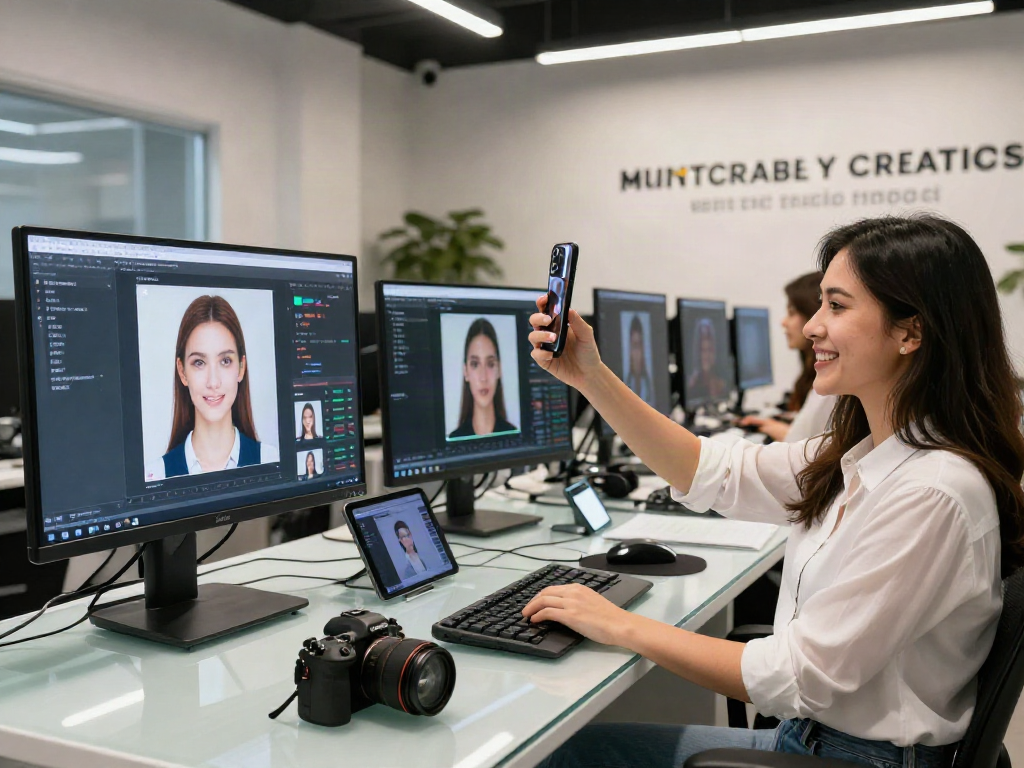
Using age estimation tools typically involves a straightforward process. Begin by choosing a high-quality image where your face is clearly visible. Follow the instructions on the selected platform to upload your image. Most tools will then analyze the photo, providing an estimated age within seconds. Remember that results might fluctuate, so consider using multiple tools for a broader perspective.
Understanding Your Results: What to Look For
When interpreting the results from an age estimation tool, focus on the underlying metrics provided. Some tools may offer insights into specific facial features contributing to the age estimate, such as wrinkle depth or skin texture. This information can be valuable for personal skincare decisions and understanding how various factors might affect your perceived age.
Best Practices for Privacy and Data Security
Given the sensitivity of personal images, protecting your privacy when using online age estimation tools is crucial. Always ensure that the site’s privacy policy aligns with your security needs, and consider using tools that allow for anonymized uploads. Avoid sharing any identifiable information unless it is necessary for the service.
Future Trends in Age Estimation Technology
The field of age estimation is rapidly evolving, driven by technological advancements and increasing consumer interest. As we look to the future, several trends are poised to shape this industry.
Emerging Innovations in AI and Analytics
Future innovations in AI and analytics are expected to enhance the precision and reliability of age estimation tools. These improvements may include better training datasets, more advanced algorithms, and the incorporation of real-time feedback systems that refine predictions based on user input. Additionally, we may see a rise in personalized age estimation tools that consider individual health markers and lifestyle factors.
How Will Age Estimation Evolve by 2026?
By 2026, we anticipate a much broader adoption of AI-driven age estimation technologies across various sectors. This could extend beyond personal use, with applications in marketing, healthcare, and even social media platforms. As these tools become more mainstream, ethical considerations regarding age discrimination and privacy will require careful navigation.
Potential Applications Beyond Personal Use
Beyond individual curiosity, age estimation technology holds potential for various industries. For instance, in marketing, brands can tailor their messages based on the perceived age of their audience. In healthcare, this technology could assist in evaluating a patient’s biological age, potentially improving treatment plans. The possibilities are vast, and as AI technology continues to mature, its applications will likely expand.
Frequently Asked Questions About Age Estimation
As interest in age estimation tools grows, so do the questions surrounding their functionality and accuracy. Here are some common inquiries.
How does the AI determine my age?
The AI analyzes specific facial characteristics against established patterns from a vast database of images. By assessing features such as skin texture, wrinkle formation, and facial proportions, the algorithm predicts a likely age range.
Can I retake my photo for a better estimate?
Absolutely! Many users find that taking multiple photos under different lighting conditions or with different expressions can yield varying results. Experimenting with your images can help achieve a more accurate estimate.
What factors influence the accuracy of my results?
Factors such as lighting, photo quality, and even the way you pose can impact the accuracy of age estimation results. Additionally, the training dataset of the AI tool itself can influence how well it generalizes to different faces.
Is this technology available for commercial use?
Yes, various businesses are starting to integrate age estimation technology into their operations. From beauty brands analyzing consumer demographics to health companies incorporating it into wellness assessments, the commercial applications are growing.
How can I protect my data when using these tools?
To safeguard your data, always research the tool's privacy policies and ensure that your images are stored securely or deleted after use. Opt for platforms that prioritize user anonymity to minimize risks associated with personal data exposure.