Understanding Diesel Particulate Filters (DPF)
Diesel Particulate Filters (DPF) are crucial components in modern diesel engines, designed to capture and store exhaust soot in order to reduce emissions. As environmental regulations tighten, the importance of maintaining DPF systems has become more pronounced. Regular dpf reinigen not only optimizes the performance of your vehicle but also ensures compliance with emission standards. In this article, we will delve into how DPFs work, common issues associated with them, and the significance of regular cleaning.
What is a DPF and How Does it Work?
A DPF is a filter that specifically targets soot emissions from diesel engines. Constructed from porous ceramic materials, it traps particulate matter (PM) produced during combustion. As the filter captures soot, the engine's onboard computer must initiate a process called regeneration, which burns off the accumulated soot, converting it into harmless gases. This process can happen actively during normal driving, or passively through the heat generated by the engine at higher speeds.
Common DPF Issues and Symptoms
Over time, various factors can lead to DPF issues, often manifesting through recognizable symptoms. Common problems include:
- Reduced Engine Performance: As the filter becomes clogged, exhaust flow is restricted, leading to decreased engine efficiency and power.
- Check Engine Light: A warning light may indicate that the DPF is nearing its capacity or that regeneration is not occurring correctly.
- Increased Fuel Consumption: A blocked filter forces the engine to work harder, resulting in higher fuel usage.
- Dark Smoke Emissions: Excessive emissions may be visible if the DPF is malfunctioning.
Importance of Regular DPF Reinigung
Regular cleaning of the DPF is paramount for maintaining both the performance of your vehicle and compliance with environmental regulations. Neglecting DPF maintenance can lead to costly repairs and potential engine damage. Ensuring that the filter is clean helps maintain optimal exhaust flow, improves fuel economy, and extends the lifespan of your vehicle's emission control system. Additionally, regular DPF cleaning can prevent the need for premature replacement, which can be a significant expense.
DPF Reinigung Techniques
There are several methods for DPF cleaning, each with its own advantages and disadvantages. Understanding these techniques can help vehicle owners choose the right approach for their needs.
Manual vs. Automated DPF Cleaning Methods
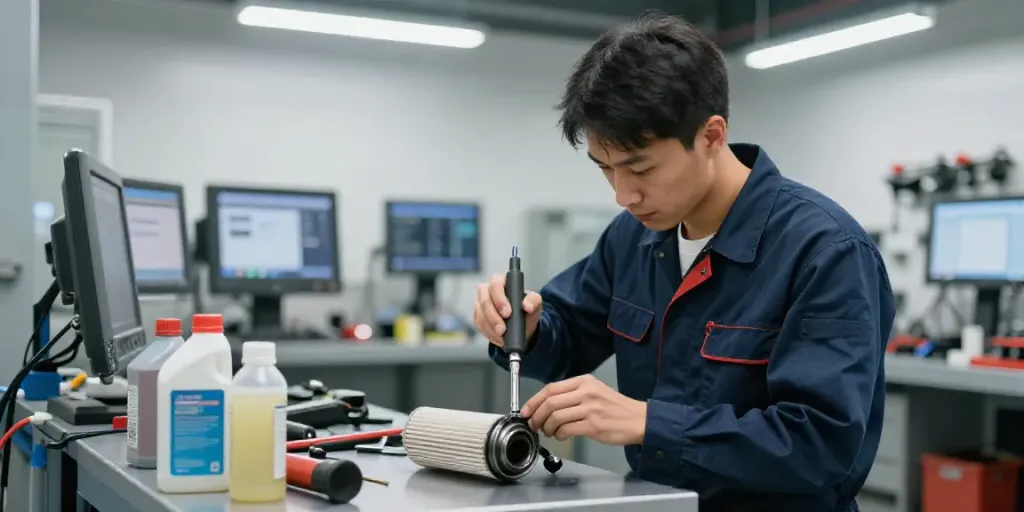
Manual cleaning typically involves physically removing the DPF and using specialized equipment or chemicals to clean it. This method can be labor-intensive but allows for thorough inspection and cleaning. Automated cleaning methods, on the other hand, often utilize advanced machinery that can clean the DPF while it remains installed in the vehicle. These systems are faster and less labor-intensive, making them a popular choice among service providers.
Step-by-Step Guide to DPF Reinigung
For those considering a manual cleaning approach, here’s a step-by-step guide:
- Safety First: Allow the vehicle's exhaust system to cool down completely.
- Remove the DPF: Carefully detach the DPF from the exhaust system, following manufacturer guidelines.
- Inspect the Filter: Look for any cracks or damage that may require replacement instead of cleaning.
- Use a Cleaning Solution: Apply a DPF cleaning solution according to manufacturer instructions, allowing it to penetrate the soot.
- Rinse and Dry: Rinse the filter thoroughly and allow it to dry completely before reinstalling.
- Reinstall and Test: Reattach the DPF and run the vehicle to ensure proper operation.
Choosing the Right Cleaning Equipment
Selecting the appropriate equipment for DPF cleaning is critical for achieving the best results. Consider investing in high-quality cleaning solutions and tools designed specifically for DPF maintenance. Moreover, professional services often utilize ultrasonic cleaning or high-pressure air systems to ensure that all particulates are removed effectively.
Cost and Time Considerations
Understanding the financial and time implications of DPF cleaning is essential for vehicle owners and businesses alike.
Average Costs Involved in DPF Cleaning
The costs for DPF cleaning can vary significantly based on factors such as the type of service (manual vs. automated), the complexity of the cleaning method used, and geographical location. On average, manual cleaning can range from $200 to $500, while automated services may cost between $150 to $350. Regular maintenance is typically less expensive than emergency repairs, making it a worthwhile investment.
Timeframes for Effective DPF Reinigung
The time required for DPF cleaning will depend on the method chosen. Manual cleaning may take several hours, while automated systems can often clean a DPF in under an hour. Planning for this downtime is important, especially for businesses that rely on their vehicles for operations.
Cost-Benefit Analysis of Regular Maintenance
When weighing the costs of DPF cleaning against potential savings, it's vital to consider the long-term benefits. Regular maintenance not only lowers the likelihood of costly repairs but also enhances fuel efficiency and vehicle performance. Investing in routine DPF cleaning can yield significant savings over time by preventing catastrophic failures and ensuring compliance with emissions regulations.
Future Trends in DPF Cleaning
As technology advances, the methods and techniques used in DPF cleaning are likely to evolve. Understanding these trends can help vehicle owners and professionals stay ahead of the curve.
Innovations in DPF Technology
Recent innovations in DPF technology include the development of self-cleaning filters and improvements in sensor technology that allow for real-time monitoring of filter status. These advancements can help prevent clogging and improve vehicle performance, redefining DPF maintenance in the future.
Predictions for DPF Cleaning Techniques in 2026
By 2026, we may see a shift towards more eco-friendly cleaning methods, utilizing biodegradable cleaning solutions and advanced ultrasonic cleaning technologies that require less water and energy. Additionally, automated systems may become standard in workshops, making DPF maintenance quicker and more efficient.
Impact of Regulations on DPF Maintenance
As governments continue to push for reduced emissions, stricter regulations surrounding vehicle maintenance—especially concerning diesel engines—are expected. Vehicle owners will need to adapt to these changes, making regular DPF cleaning not just a recommendation but a necessity for compliance with the law.
Frequently Asked Questions
Addressing common queries can help demystify the DPF cleaning process:
How do I manually start DPF regeneration?
To manually initiate DPF regeneration, refer to your vehicle's owner’s manual. Many vehicles have a button on the dashboard, while others require a specific driving condition or program to be activated.
Can I clean my DPF filter myself?
While it is possible to clean your DPF filter yourself, it is often recommended to seek professional assistance to ensure a thorough and safe cleaning process.
How much does it cost to get a DPF cleaned?
Costs can range from $150 to $500 depending on the cleaning method and your location. Regular maintenance can save money in the long run.
Is DPF cleaning necessary?
Yes, regular DPF cleaning is necessary to ensure optimal performance, fuel efficiency, and compliance with emission standards, preventing costly repairs.
What happens if I ignore DPF issues?
Ignoring DPF issues can lead to serious engine problems, including decreased performance, potential engine failure, and significant repair costs. It's crucial to address symptoms early.