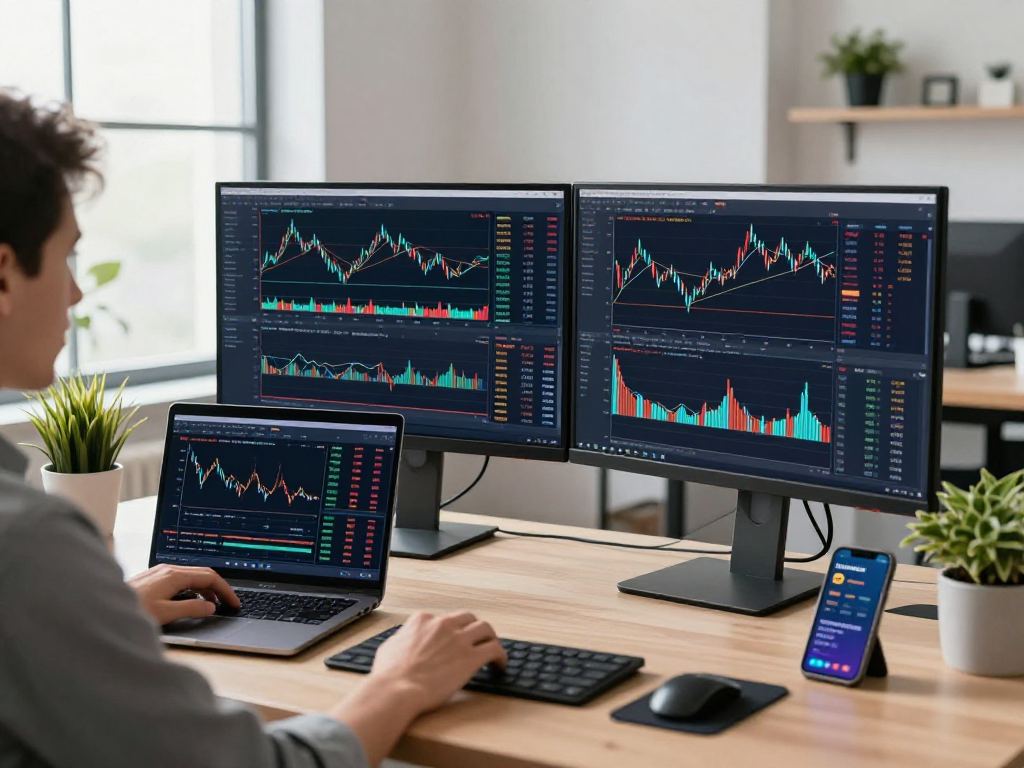
Understanding TradingView: An Overview
In the rapidly evolving world of trading and investment, having the right tools and information at your fingertips is crucial. TradingView stands out as a powerful platform designed to meet the diverse needs of traders and investors across various markets. Whether you're actively trading stocks, cryptocurrencies, or forex, TradingView offers sophisticated charting tools, real-time data, and a vibrant community for sharing insights and strategies. In this guide, we will delve into the key features of TradingView, how to navigate its capabilities, and the advantages of using this platform for both novice and experienced traders.
What is TradingView and Its Purpose?
TradingView is an online platform that provides comprehensive market data, professional-grade charting capabilities, and a suite of tools for technical analysis. Its primary purpose is to facilitate user engagement in trading by delivering real-time information and advanced analytical tools, which can help traders make informed decisions. By combining social features with powerful charting and analysis, TradingView provides a unique experience that fosters collaboration and learning among its users.
Key Features and Capabilities of TradingView
TradingView's robust feature set makes it an essential tool for traders. Some of its key capabilities include:
- Multi-Market Data: Access to a wide array of markets including stocks, cryptocurrencies, forex, and commodities.
- Technical Analysis Tools: Over 100 built-in indicators, drawing tools, and customizable chart types that cater to various trading strategies.
- Alerts and Notifications: Set alerts based on price levels or technical indicators to stay updated without constant monitoring.
- Social Networking: Engage with a community of traders, share ideas, and follow other traders’ strategies.
- Cross-Device Access: Use TradingView seamlessly on desktops, tablets, and smartphones.
Who Can Benefit from TradingView?
TradingView caters to a diverse audience, including individual investors, day traders, and institutional traders. Its easy-to-use interface and comprehensive features make it particularly appealing to:
- Beginner Traders: Individuals new to trading can benefit from extensive educational resources and community insights.
- Experienced Traders: Advanced features such as scripting capabilities and detailed market analysis tools meet the needs of seasoned professionals.
- Investors: Long-term investors can utilize TradingView to monitor stock market trends and identify potential investment opportunities.
Navigating TradingView's Charting Tools
One of the standout features of TradingView is its advanced charting capabilities. Users can create and customize charts to suit their trading styles, making it easier to analyze market trends and potential entry and exit points.
How to Set Up Your First Chart
Setting up your first chart on TradingView is a simple process. Here’s how you can get started:
- Create a free account on TradingView.
- Navigate to the charting section from the main dashboard.
- Select the financial instrument you want to analyze.
- Choose your preferred chart type (line, candlestick, etc.) and time frames.
- Add technical indicators and customize your chart layout.
Important Indicators and Analysis Techniques
Familiarizing yourself with key indicators can enhance your trading strategies. Some popular indicators available on TradingView include:
- Moving Averages: Help smooth price data and identify trends.
- Relative Strength Index (RSI): Indicates overbought or oversold conditions.
- MACD (Moving Average Convergence Divergence): A trend-following momentum indicator that shows the relationship between two moving averages.
Customizing Your Chart Layout for Efficiency
To maximize your trading efficiency, take advantage of TradingView's customization features. Users can save chart layouts, use multi-chart views, and set up workspaces that cater specifically to their trading strategies. Proper organization ensures that you can switch between different analyses quickly and maintain focus on your trading objectives.
Utilizing Alerts and Notifications
The alert system in TradingView is designed to help traders stay informed about market movements without needing to constantly monitor their screens.
Setting Up Price Alerts: Step-by-Step Guide
To set up a price alert in TradingView, follow these steps:
- Open the chart for the asset you wish to monitor.
- Right-click on the chart and select “Add Alert.”
- Configure the alert conditions (e.g., price level, technical indicator).
- Choose your preferred notification method (email, SMS, etc.).
- Save the alert.
Different Types of Alerts and Their Uses
TradingView offers various types of alerts, including:
- Price Alerts: Notifies you when the price hits a specified level.
- Condition Alerts: Triggered by specific market conditions such as indicator signals.
- Watchlist Alerts: Alerts you when assets in your watchlist meet defined criteria.
Reducing Screen Time with Automated Notifications
By utilizing automated notifications, traders can significantly reduce the time spent glued to their screens. Alerts allow you to focus on other activities while still keeping a pulse on important market movements, making TradingView an efficient tool for even the busiest traders.
Cross-Device Functionality of TradingView
In today’s fast-paced trading environment, having access to your trading platform on multiple devices is crucial. TradingView excels in providing a cross-device experience.
Using TradingView on Desktop vs. Mobile
TradingView offers both desktop and mobile applications, allowing users to trade on the go or from the comfort of their desks. The desktop version provides a more comprehensive set of features, while the mobile app offers essential functionalities for quick monitoring and trading.
Synchronizing Your Settings Across Devices
One of the standout features of TradingView is its ability to synchronize settings across devices. This means you can start analyzing on your desktop and seamlessly continue on your mobile device without losing any progress or data.
Benefits of Multi-Device Access for Traders
Multi-device access is especially beneficial for traders who need flexibility. You can remain connected to the market and make informed decisions, regardless of your location. Whether you're in a meeting, traveling, or simply away from your desktop, TradingView ensures that you are never out of touch with your trading activities.
Advanced Trading Strategies with TradingView
For experienced traders, TradingView provides the tools necessary to implement advanced trading strategies.
Integrating Scripts and Trading Strategies
TradingView allows users to create and utilize custom scripts through its Pine Script language. This enables traders to develop unique indicators and automated strategies tailored to their trading style. Sharing and accessing community-created scripts further enriches the platform’s capabilities.
Market Screening and Selection Techniques
TradingView's market screening tools let users filter stocks and other assets based on specific criteria such as performance, volume, and price action. This feature is invaluable for identifying potential trading opportunities that align with your strategies.
Future Trends in TradingView for 2026 and Beyond
As the trading landscape continues to evolve, TradingView is expected to introduce even more sophisticated features, enhancing user experience and analytical capabilities. Keeping abreast of these developments will allow traders to leverage new tools for better decision-making and outcomes.
Addressing Common Questions About TradingView
What platforms support TradingView?
TradingView is accessible on various platforms, including Windows, macOS, Linux, iOS, and Android. Users can also access the service via standard web browsers, making it a versatile choice for traders across different operating systems.
How does TradingView compare to other platforms?
When compared to other trading platforms, TradingView stands out for its user-friendly interface, extensive charting capabilities, and strong community features. While many platforms offer basic charting and analysis tools, TradingView provides a more engaging and collaborative experience for users.
Is TradingView suitable for beginner traders?
Yes, TradingView is well-suited for beginners due to its intuitive interface and wealth of educational resources. New traders can leverage the platform's social features to learn from experienced traders and access tutorials that enhance their understanding of trading principles.
What features are exclusive to paid plans?
While TradingView offers a robust free plan, its paid subscription levels unlock advanced features such as additional indicators, increased alert limits, and the ability to use more advanced chart layouts. These features are tailored for serious traders seeking in-depth analysis capabilities.
Do I need a desktop version for optimal performance?
Although the desktop version of TradingView offers more features, most essential functions can be performed via the web and mobile applications. However, for users who require multi-screen setups and extensive charting capabilities, the desktop client may be preferable.