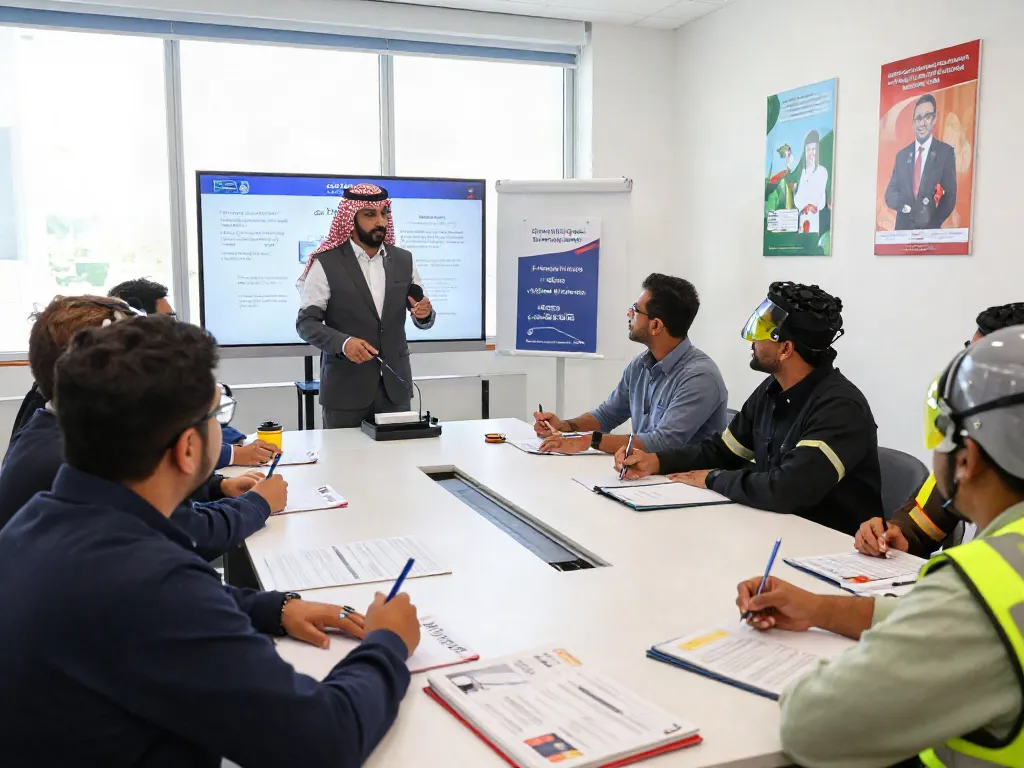
Understanding the Importance of HSE Training in Saudi Arabia
Health, Safety, and Environmental (HSE) training is pivotal in ensuring workplace safety and compliance with regulatory standards in Saudi Arabia. As industries such as oil and gas, construction, and manufacturing continue to flourish, the demand for skilled professionals who can mitigate risks and develop effective safety protocols has risen significantly. This article delves into the critical aspects of HSE training, highlighting its benefits, key certifications, and how to choose the right training institute to enhance career prospects in this essential field. When exploring options, Training Institute Saudi Arabia can provide comprehensive insights into available programs and certifications.
What is HSE Training and Its Relevance?
HSE training encompasses a variety of educational programs designed to equip professionals with the knowledge and skills necessary to maintain health, safety, and environmental integrity in the workplace. In Saudi Arabia, this training is crucial as it aligns with the country’s Vision 2030 goals, emphasizing safety in high-risk industries. By understanding and implementing HSE measures, organizations can significantly reduce workplace accidents, ensure regulatory compliance, and ultimately enhance their operational efficiency.
Current Trends in Health and Safety Education
As the landscape of workplace safety evolves, several trends are shaping the future of HSE education. The integration of technology, such as virtual reality (VR) simulations and e-learning platforms, is becoming increasingly common, allowing for immersive learning experiences. Furthermore, there is a growing emphasis on behavioral safety, where organizations focus on promoting a safety culture that influences employees' attitudes toward safety practices.
Impact of HSE Training on Workplace Safety
The impact of effective HSE training cannot be overstated. Organizations that invest in comprehensive training programs often witness a reduction in accident rates, improved employee morale, and enhanced compliance with local and international regulations. Such training fosters a proactive safety culture, empowering employees to recognize hazards and take preventive actions.
Key Certifications Offered by Training Institutes
To establish credibility and expertise in health and safety practices, obtaining relevant certifications is essential. Various training institutes in Saudi Arabia offer globally recognized certifications that cater to a diverse range of industry needs.
Overview of NFPA and ProQual Certifications
The National Fire Protection Association (NFPA) certifications play a critical role in fire safety training, especially in industries with high fire risks. Similarly, ProQual certifications, such as the Level 6 Diploma in Occupational Health and Safety Practice, offer robust frameworks that equip professionals with essential skills and knowledge in health and safety management.
Benefits of NVQ and ProQual Diplomas in Occupational Safety
National Vocational Qualifications (NVQ) and ProQual diplomas are particularly beneficial for professionals looking to advance their careers in health and safety. These qualifications not only enhance knowledge but also demonstrate to employers a commitment to maintaining high safety standards. Additionally, they provide practical skills that can be applied directly to the workplace.
ISO Certifications and Their Importance in Various Industries
ISO certifications, such as ISO 9001:2015 for Quality Management Systems and ISO 45001:2018 for Occupational Health and Safety Management Systems, are essential for organizations aiming to improve their operational processes and safety standards. These certifications help businesses comply with international standards, enhancing their reputation and competitiveness in the marketplace.
Choosing the Right Training Institute in Saudi Arabia
When selecting an HSE training provider, it is vital to consider several factors to ensure that the training received is of the highest quality and relevant to industry standards.
Factors to Consider in Selecting an HSE Training Provider
- Accreditation: Confirm that the institute is accredited by recognized bodies, such as the National Fire Protection Association or ProQual.
- Expertise of Instructors: Evaluate the qualifications and experience of the trainers to ensure they possess practical knowledge.
- Course Offerings: Look for institutes that provide a range of courses tailored to different industries and career levels.
Understanding Course Content and Delivery Methods
The course content should be comprehensive and aligned with current industry practices. Moreover, preferred delivery methods, whether in-person or online, should cater to the learning preferences of participants. Some institutes also offer hybrid models that combine both methods to maximize accessibility.
Evaluating Training Facilities and Instructor Qualifications
Prospective trainees should visit training facilities if possible. This allows them to assess the learning environment and available resources. Additionally, reviewing instructors' credentials and their professional backgrounds in HSE will ensure high-quality training.
Challenges in Implementing Effective HSE Training
Despite the clear benefits, several challenges may arise when implementing HSE training programs within organizations.
Common Misconceptions about HSE Training
Many organizations believe that HSE training is merely a compliance requirement rather than a critical investment in their workforce. This misconception can lead to a lack of support for such programs, diminishing their effectiveness.
Addressing Resistance to Safety Training Programs
Resistance from employees is another common barrier. To counter this, organizations must communicate the value of training clearly, demonstrating how it contributes to personal safety and organizational success. Engaging employees in the training design process can also foster a sense of ownership and commitment.
Strategies for Engaging Employees in HSE Training
Interactive training methods, such as workshops, simulations, and real-world applications, can significantly boost employee engagement. Incorporating feedback mechanisms to assess understanding and areas for improvement is also crucial in refining training programs.
The Future of HSE Training in Saudi Arabia
As Saudi Arabia progresses towards Vision 2030, the future of HSE training looks promising, with several predicted developments on the horizon.
Predicted Developments in Training Technology
Training technology will continue to evolve, with advancements such as augmented reality (AR) and artificial intelligence (AI) becoming integral to HSE education. These technologies will offer immersive learning experiences, helping trainees understand complex safety scenarios in a controlled environment.
Emerging Trends in Safety Regulations and Standards
As safety regulations become increasingly stringent, staying ahead of compliance requirements will be essential for organizations. Training institutes will need to adapt course content rapidly to reflect these changes and ensure that professionals are equipped with the latest information.
Preparing for the Workforce Needs of 2026 and Beyond
The future workforce will demand greater flexibility and a diverse skill set. HSE training programs will need to incorporate soft skills, such as leadership and communication, alongside technical knowledge to prepare professionals for the challenges of modern workplaces.
What are the most popular HSE certifications in Saudi Arabia?
Some of the most sought-after certifications include the NEBOSH International General Certificate, IOSH Managing Safely, and various ProQual diplomas. These qualifications are recognized globally and can significantly enhance career prospects.
How does online training compare to in-person HSE courses?
Online training offers flexibility and accessibility, making it an attractive option for many professionals. However, in-person courses often provide hands-on experience and real-time interaction, which are invaluable in the context of safety training.
What is the duration and cost of HSE courses offered in Saudi Arabia?
The duration of HSE courses can vary significantly depending on the certification type. Most basic courses range from a few days to a couple of weeks, while more advanced diplomas may take several months. Costs also vary widely; a thorough inquiry into specific courses is advisable.
How can companies ensure compliance with Saudi regulations through HSE training?
Companies should implement regular training sessions and audits to ensure that their practices align with local regulations. Partnering with accredited training institutes can significantly aid in maintaining compliance.
What skills are essential for professionals in the health and safety field?
Key skills include risk assessment, emergency response planning, effective communication, and an understanding of compliance regulations. Continuous professional development is essential to stay informed about emerging trends and practices.