Understanding Sewer Line Services in Fort Worth
Sewer line service in Fort Worth is an essential aspect of maintaining a healthy and efficient plumbing system in your home. Without proper sewer line maintenance, homeowners can face significant issues, including expensive repairs and hazardous health risks. In this article, we will explore the intricacies of sewer line services, focusing on the importance of timely maintenance and professional assistance. When exploring options, sewer line service Fort Worth offers comprehensive insights into ensuring your home’s plumbing operates smoothly.
What is Sewer Line Service?
Sewer line service encompasses a variety of tasks related to the inspection, maintenance, and repair of a home's sewer lines. These underground pipes are crucial for the transportation of wastewater away from a property. Services typically include routine inspections, cleaning, repairs, and replacements of sewer lines when necessary. Companies specializing in sewer line services employ various techniques, including video inspections, hydro jetting, and trenchless repairs, to address issues effectively and efficiently.
Importance of Regular Sewer Line Maintenance
Regular sewer line maintenance is vital for several reasons:
- Preventing Blockages: Routine cleaning and inspections can identify potential blockages before they become severe issues, saving homeowners from costly repairs.
- Extending Lifespan: Keeping sewer lines clean and well-maintained extends their lifespan, reducing the frequency of replacements.
- Health Hazards: A malfunctioning sewer line can lead to sewer backups that pose serious health risks due to exposure to bacteria and sewage.
Common Issues Faced by Homeowners
Homeowners in Fort Worth often encounter several common sewer line issues, including:
- Tree Root Intrusion: Tree roots can infiltrate sewer lines, causing blockages or breaks.
- Corrosion: Over time, sewer pipes can corrode, leading to leaks and structural failures.
- Cracks and Breaks: Ground movement or settling can cause pipes to crack or shift, resulting in severe leaks.
Signs You Need Sewer Line Service
Recognizing the signs that indicate a need for sewer line service is essential for homeowners. Early detection can prevent more extensive damage and costly repairs. Here are some key signs to watch for:
Identifying Blockages and Backups
One of the most evident signs of sewer line issues is frequent blockages or backups in your plumbing system. If multiple drains in your home are slow or backing up simultaneously, it may indicate a problem within the main sewer line. Unpleasant odors emanating from your drains are also a clear sign of a blockage or backup.
Signs of Sewer Line Damage
Look out for the following signs of potential sewer line damage:
- Unusual Wet Spots: Puddles or wet areas in your yard that are not related to watering or rain may indicate a sewage leak.
- Gurgling Sounds: Gurgling noises from drains can signal air trapped in the pipes due to blockages.
- Foul Odors: A strong smell of sewage inside or outside your home is a significant warning sign.
When to Call a Professional
If you notice any of the above signs, it’s time to call a professional plumber. Attempting to fix sewer line issues independently can lead to more significant problems and costly repairs. Qualified technicians have the necessary tools and expertise to diagnose and resolve sewer line issues effectively.
Choosing the Right Sewer Line Service in Fort Worth
Selecting the right sewer line service provider in Fort Worth requires careful consideration. You want a company that is reliable, experienced, and understands the local plumbing codes and regulations. Here are some tips to help you make the right choice:
Evaluating Service Providers
Start by researching local plumbing companies that specialize in sewer line services. Check for credentials, testimonials, and reviews from previous clients. A well-established company with a solid reputation will likely provide dependable service. Ensure they have insurance and proper licensing to perform sewer line work in Fort Worth.
Questions to Ask Potential Contractors
When interviewing potential contractors, consider asking the following questions:
- What is your experience with sewer line repairs?
- Can you provide references from past customers?
- What methods do you use for inspections and repairs?
- What is the estimated timeline for the project?
Understanding Pricing and Estimates
Request detailed estimates from multiple contractors to understand the cost of the service. Ensure that these estimates include all potential charges, such as inspection fees, labor, materials, and any additional services that might be necessary. A trustworthy contractor will provide a transparent breakdown of costs.
The Process of Sewer Line Inspection and Repair
Knowing what to expect during the sewer line inspection and repair process can help alleviate anxiety for homeowners. Here’s a step-by-step overview:
How Inspections are Conducted
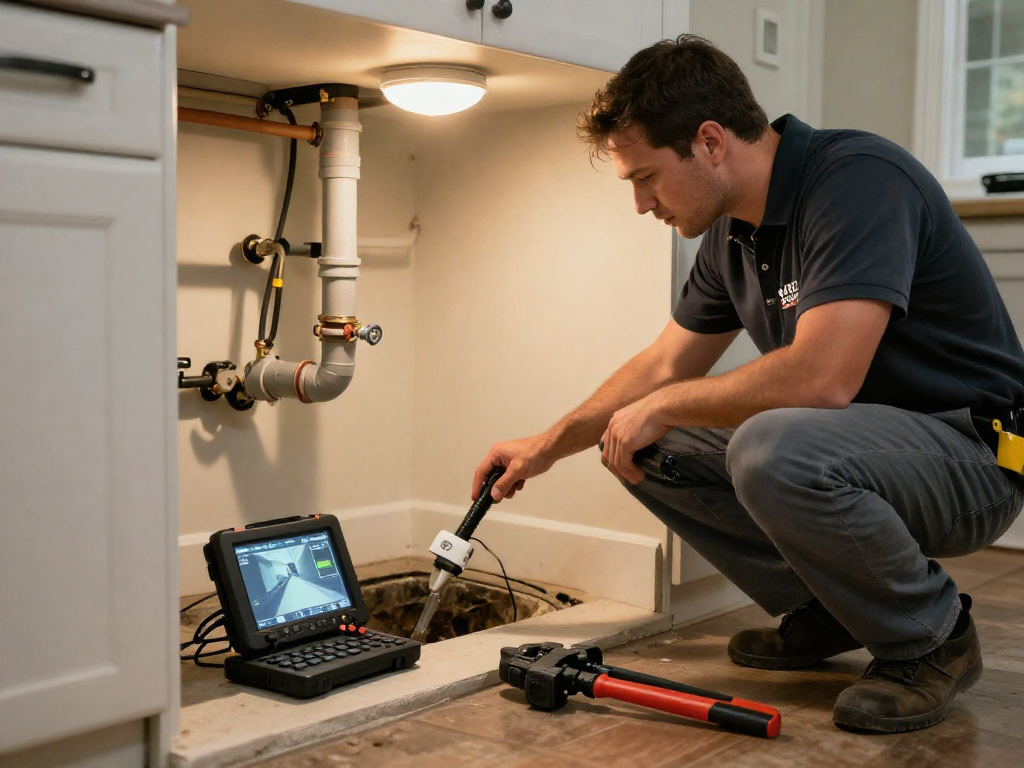
Professional plumbers often conduct sewer line inspections using advanced technology, such as video cameras. This technique allows them to visualize the inside of the pipes and identify issues like blockages, cracks, or corrosion without invasive procedures.
Techniques Used for Repairs
Depending on the issue identified during the inspection, various repair techniques may be employed, including:
- Trenchless Repair: A minimally invasive method that involves inserting a new pipe into the old one.
- Traditional Excavation: This method involves digging up the affected area to replace damaged sections of the sewer line.
Aftercare and Maintenance Tips
Once repairs are completed, regular maintenance is essential to keep your sewer lines in optimal condition. Consider these aftercare tips:
- Schedule regular inspections and cleanings.
- Avoid flushing non-biodegradable items down your toilets.
- Maintain vegetation around sewer lines to prevent root intrusion.
Future of Sewer Line Services in Fort Worth
The plumbing industry is evolving, and sewer line services are no exception. Emerging technologies and practices are shaping the future of how these services are delivered.
Emerging Technologies in Sewer Line Maintenance
Innovations such as smart sensors and automated monitoring systems are making it easier for homeowners and service providers to detect issues before they escalate. These technologies enable continuous monitoring of sewage flow and can alert homeowners of potential problems in real-time.
Trends in Plumbing Solutions for 2026
As we look toward 2026, several trends are emerging in plumbing solutions, including a focus on environmentally friendly materials and methods. Additionally, the integration of AI and machine learning in diagnostics and repairs will streamline processes and improve service accuracy.
Environmental Considerations and Sustainability
The plumbing industry is increasingly prioritizing sustainability. Modern sewer line services now incorporate eco-friendly practices such as using biodegradable materials and minimizing water usage during repairs and inspections.
What are common sewer line problems?
Common sewer line problems include blockages from debris, tree root intrusion, corrosion, and cracks caused by ground movement. Regular inspections can help identify and mitigate these issues before they escalate into costly repairs.
How can I prevent sewer line issues?
To prevent sewer line issues, homeowners should practice proactive maintenance, including regular inspections, avoiding flushing inappropriate materials, and managing landscaping to prevent root invasion. Additionally, using enzyme-based cleaners can help maintain a healthy flow within the lines.
What technologies are used in sewer line inspection?
Common technologies used in sewer line inspection include video inspection systems that provide real-time footage of the pipe's interior and sonar technology that can detect issues without excavation. These advanced inspection methods allow for accurate diagnostics and targeted repairs.
How often should I have my sewer lines inspected?
Homeowners should schedule sewer line inspections at least once every 2-3 years, or more frequently if they experience issues like slow drains or frequent backups. Properties with older plumbing systems may benefit from annual inspections.
What should I do in case of a sewer backup?
In the event of a sewer backup, immediately cease using all water fixtures and appliances, and contact a professional plumber for urgent assistance. Do not attempt to unclog the backup yourself, as it can pose health risks and potentially worsen the situation.